A DTF transfer may withstand repeated washing in its coloured sections yet develop severe cracks in solid white areas after just two or three laundry cycles. This uneven result often leads printers to increase white ink density or keep changing RIP settings. However, the contrast between the two areas points to the behaviour of the exposed white layer and the transfer process, rather than simply a lack of white ink. The same troubleshooting principles apply whether you print with FULAI DTF FILM or material purchased from another DTF FILM FACTORY.
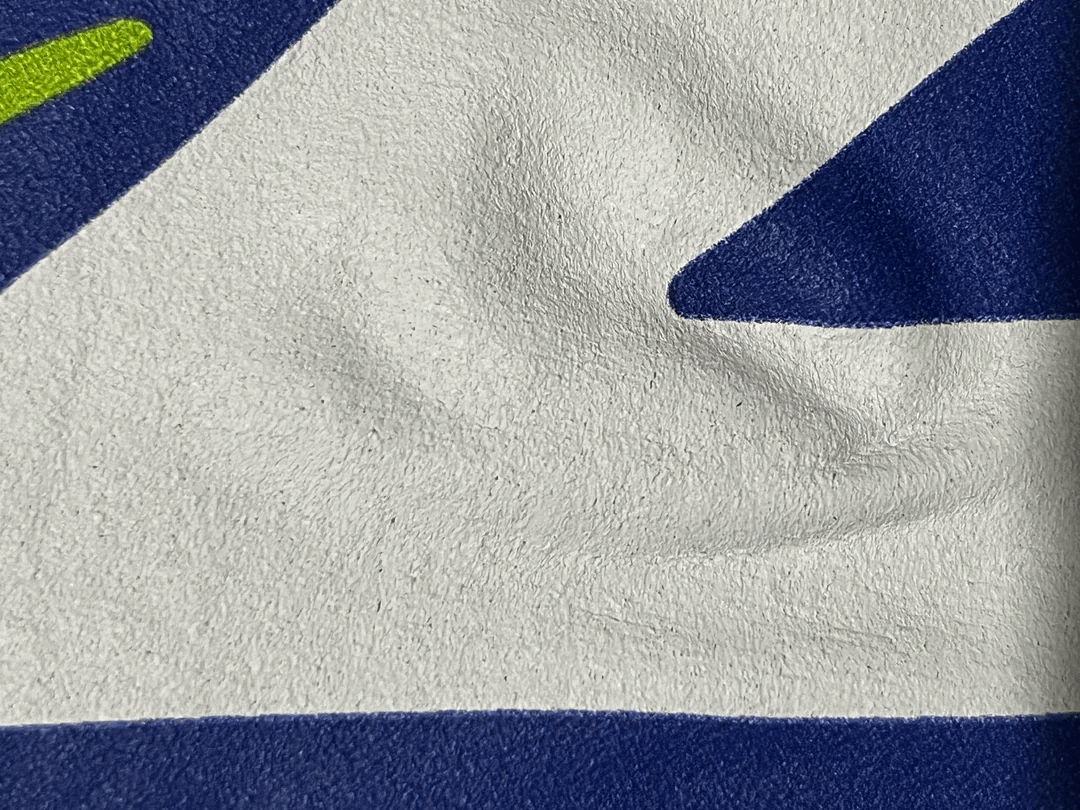
Why white areas and coloured areas behave differently
Understanding the layer sequence helps explain this pattern. In a typical mirrored DTF process, the printer deposits CMYK onto the film’s release coating before adding white ink and hot-melt powder. Once the design has been pressed and peeled, the colour layer generally becomes the outer face of the coloured sections. In white-only sections, the white ink itself remains exposed. These different surfaces respond differently to rubbing, stretching and washing, and cracks may therefore appear differently across the same graphic.
White DTF ink contains a high concentration of titanium dioxide (TiO₂), giving it the greatest pigment loading in a standard ink set. The failure pattern is associated with the brittleness of this cured, exposed white film. In coloured sections, the comparatively resin-rich CMYK layer covers the white underbase on the finished garment and acts as a flexible surface layer. It helps accommodate deformation during laundering, which explains why coloured areas can remain intact while uncovered white regions crack.
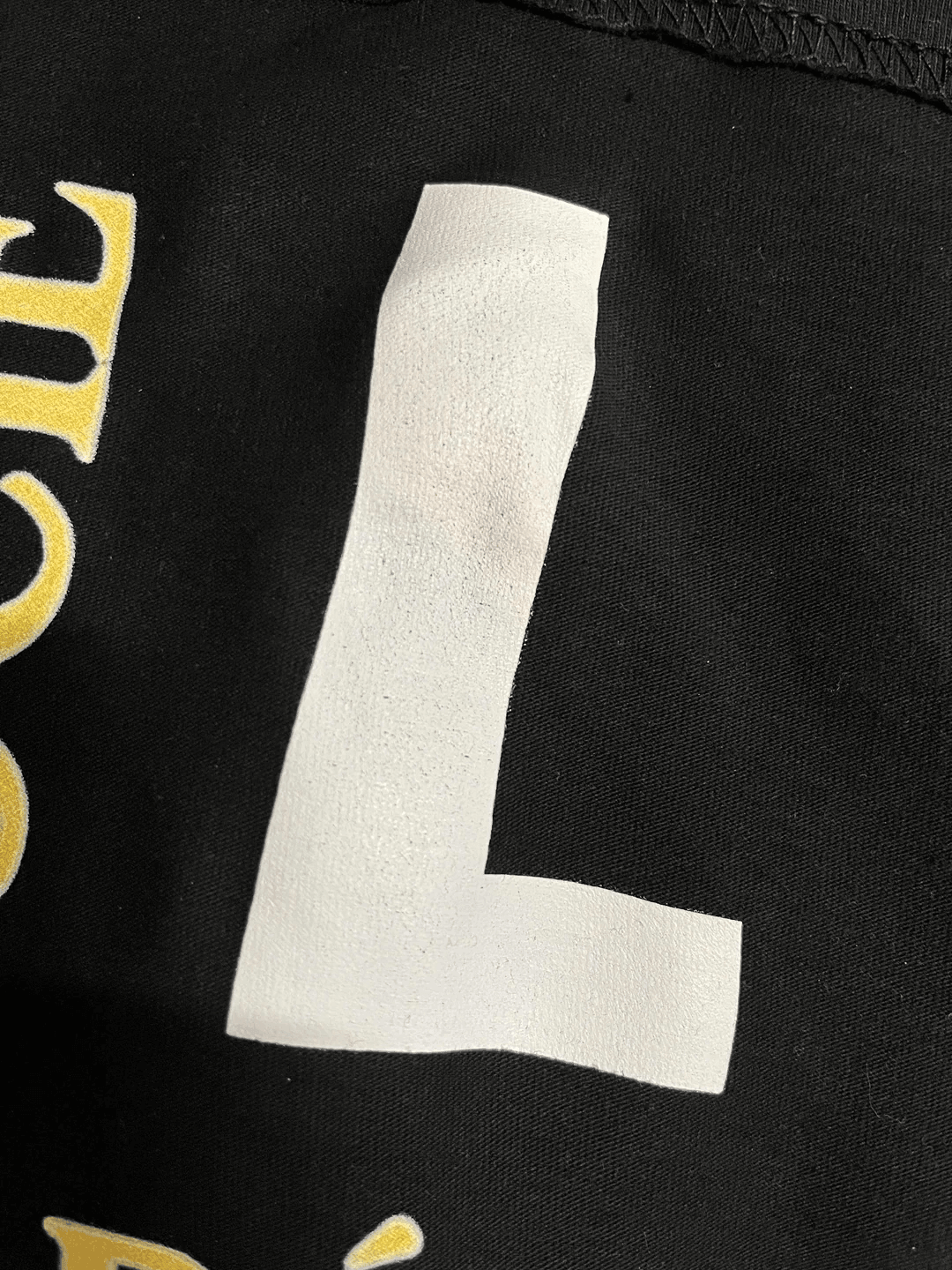
A practical sequence for checking the printing and transfer process follows below.
Start by reducing excessive white ink coverage. Adding more white to hide the problem can produce a heavier, more brittle layer and make cracking worse. Aim for sufficient opacity on dark fabric while retaining a dither pattern that can be seen through a loupe. A white density setting of 70–85% is a useful working range in many production setups, but it is not a universal specification. Adjust it to suit the film, adhesive powder and dryer combination. Using FULAI DTF FILM still requires calibration under your own production conditions.
Build a thin halftone layer instead of a heavy solid deposit. Large droplets can create excessive thickness, while small droplets at very high coverage can also merge into a dense sheet. The objective is a thin, connected white layer formed from discrete cured dots. This structure distributes the stress created when fabric stretches or moves through wash cycles, helping reduce the likelihood of cracking. The principle remains relevant when evaluating film from any DTF FILM FACTORY.
Check powder gelation before continuing to adjust the ink. Incompletely gelled adhesive powder and an over-cured ink layer can cause similar cracking on the finished garment. Inspect the powder layer under good lighting as the transfer leaves the dryer. The visual target described here is a transparent, glass-like appearance without cloudy or granular patches. Milky areas indicate incomplete gelation. Changing RIP settings will not correct this curing problem, regardless of the DTF film being used.
Review press pressure and dwell time together. For this failure pattern, temperature alone is not the first adjustment to pursue. Cracking after two or three washes can indicate that the adhesive has not penetrated the textile fibres sufficiently. Increase pressure and use a dwell time of 12–15 seconds. Compare the same transfer on 100% cotton and a polyester blend: cracking limited to the blend points toward a temperature-related issue, while cracking on both fabrics directs attention back to the ink layer or powder curing.
Make wash testing repeatable. Test matching printed samples through five wash cycles at 40°C, with garments turned inside out and no fabric softener. An informal trial involving a worn shirt and only two or three washes provides little basis for distinguishing brittle ink failure from weak adhesive bonding. Controlled, repeatable cycles, consistent with the approach used in ISO textile wash-fastness testing, help isolate the cause more accurately.
Avoid treating printhead replacement as the solution to material brittleness. A new white printhead still deposits the same TiO₂-based ink, so replacing it does not change the cured ink’s underlying properties. Gradual changes in production conditions can also increase cracking over time. Large solid white designs therefore require particular attention to layer thickness, dither structure, powder gelation and stable pressing conditions. These are relevant process-control points when working with FULAI DTF FILM or discussing wash durability with your DTF FILM FACTORY.
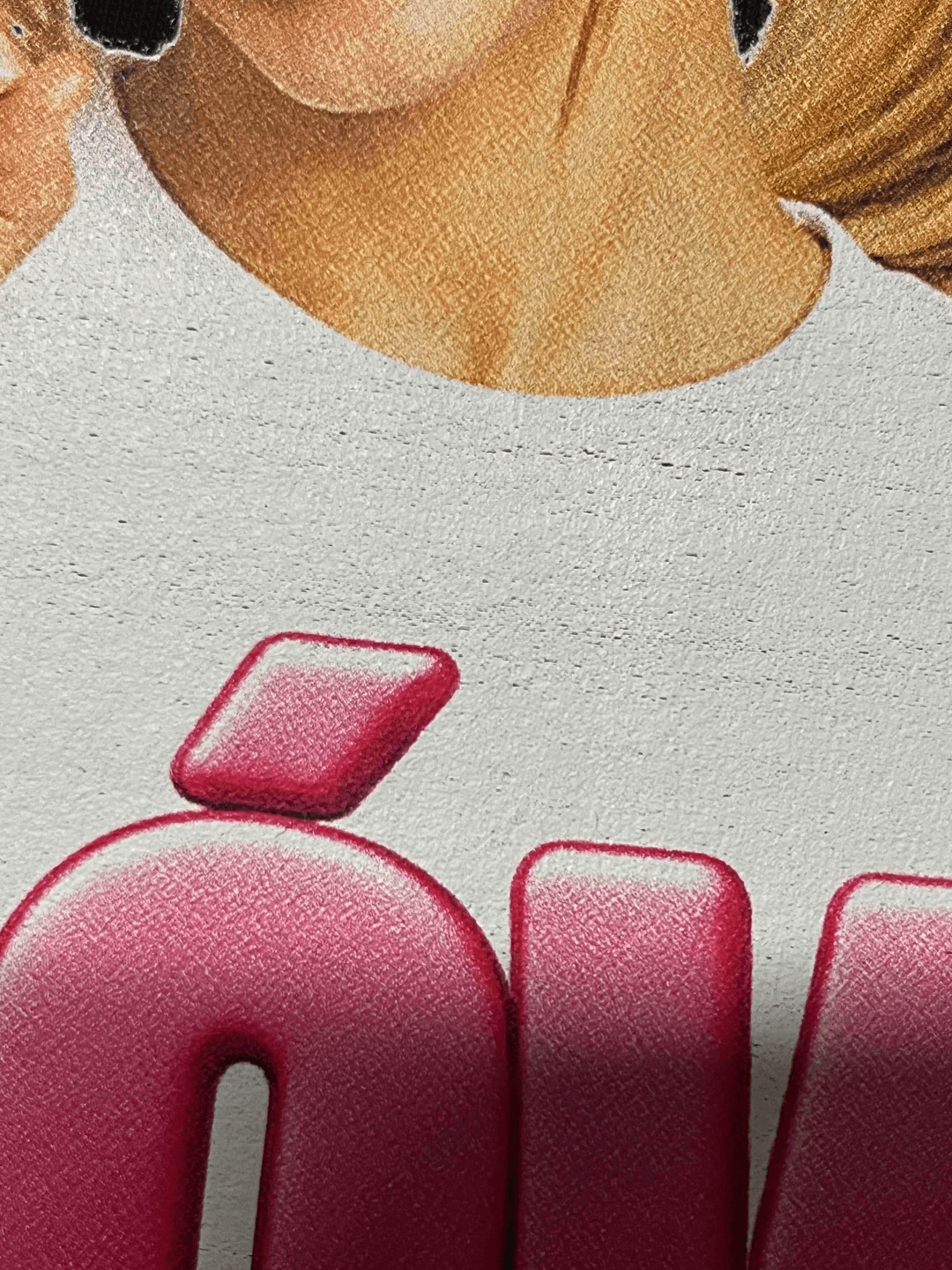
When exposed white sections crack but coloured sections survive, first identify how the transfer is failing. Check white layer thickness and halftone structure, confirm powder curing, and then assess the pressing conditions through controlled wash trials. Following this sequence helps limit wasted adjustments and improve the wash durability of DTF prints.
Post time: Oct-20-2026