A Practical Guide to Cold Peel, Hot Peel, Instant Peel, and All-Time Peel
1. Introduction
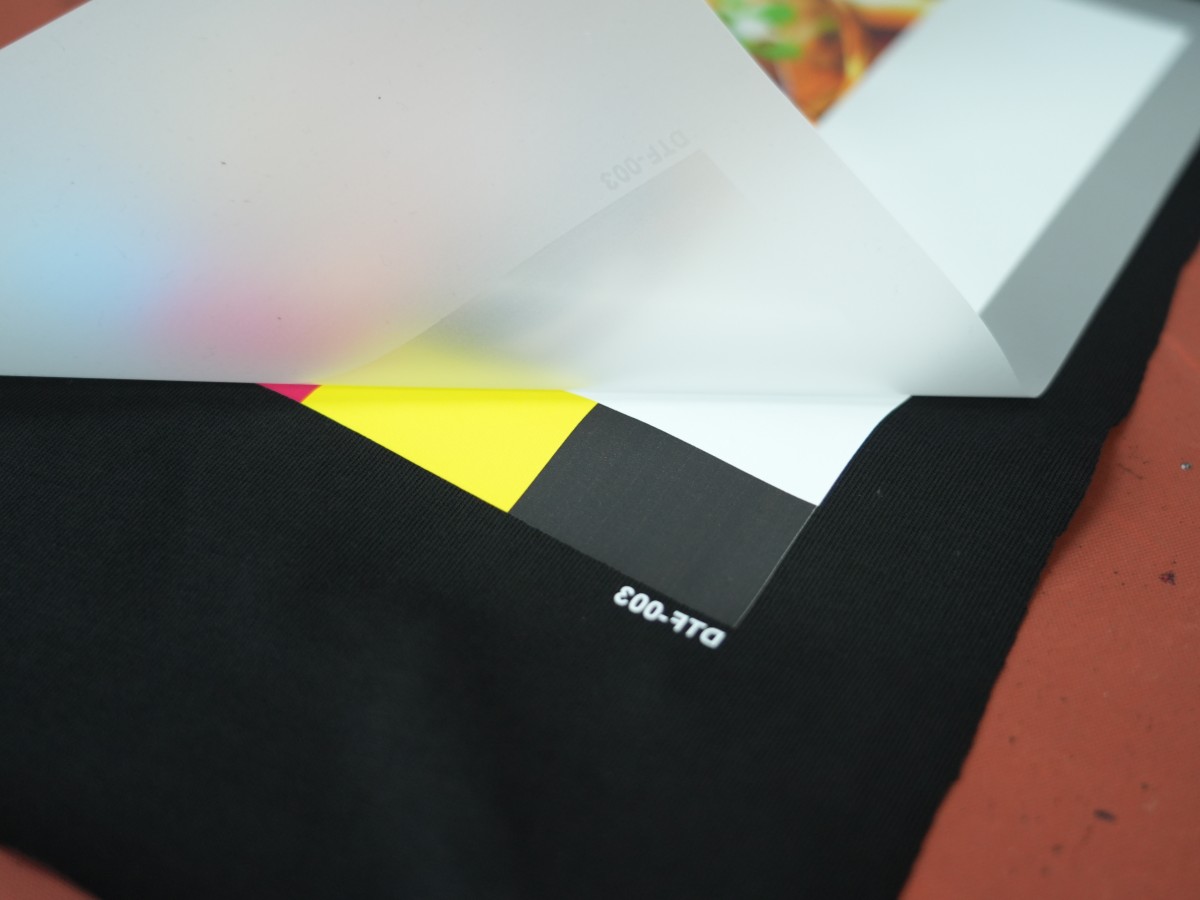
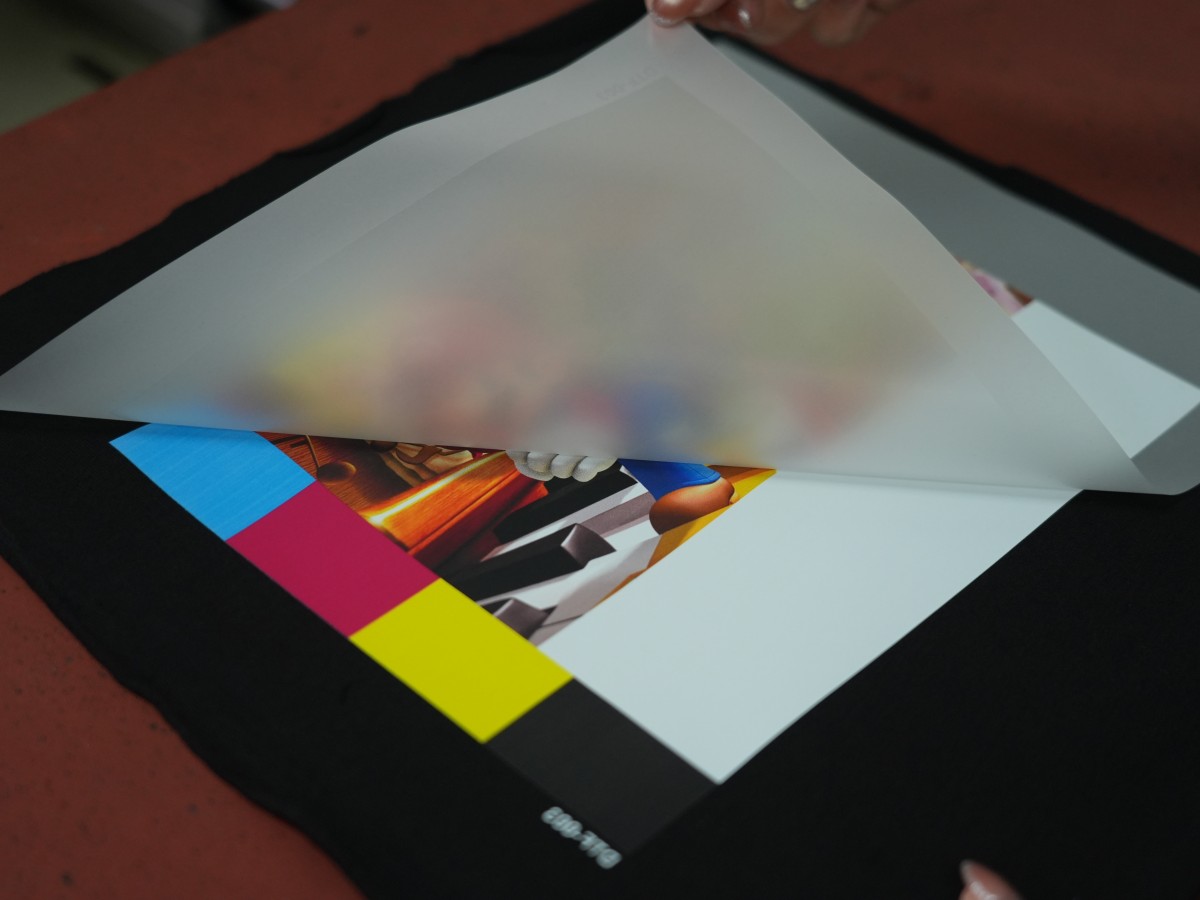
Producing crisp details, vivid colors, and durable graphics with Direct-to-Film (DTF) printing depends on more than ink selection and adhesive powder. The way the carrier film is removed after heat pressing also matters. Peeling immediately, while the transfer is still hot, or only after it has cooled can affect the finished appearance, surface feel, edge quality, and overall production flow.
For apparel manufacturers, custom-product businesses, and promotional print providers, selecting between Cold Peel, Hot Peel, Instant Peel, and All-Time Peel film is therefore an important process decision. Each option has its own release behavior and operating requirements.
A dependable DTF film supplier should explain the recommended peeling conditions in relation to the release coating, adhesive compatibility, and application tests carried out for the product.
At a Glance: The Four Peeling Options
- Cold Peel film should be allowed to cool fully before the PET carrier is removed; it can produce clean image definition and vivid colors.
- Hot Peel film is removed shortly after pressing, while the transfer is still hot.
- Instant Peel film is designed for carrier removal immediately after the heat-press cycle.
- All-Time Peel film is formulated to offer a wider peeling window. Depending on the product specification, removal may take place immediately or after a longer wait.
- The best film is not automatically the one that peels fastest. It is the one that provides dependable transfer results in the user’s actual production environment.
2. The Technical Principles Behind DTF Peeling
2.1 The Layers in a DTF Transfer
DTF is a heat-activated transfer process. A typical transfer system contains four functional layers:
- PET carrier film: supports the printed design and helps maintain dimensional stability during handling and transfer.
- Release coating: regulates the bond between the carrier and the printed transfer layers.
- Printed ink layer: carries the color image and white ink that forms the visual base of the design.
- Hot-melt adhesive powder: bonds the printed image to the textile when heat and pressure are applied.
During heat pressing, the adhesive powder softens and forms a bonding interface with the fabric. Once pressing is complete, the PET carrier has to separate without pulling away or damaging the ink and adhesive layers. The release coating is central to this step: its surface characteristics determine how readily the carrier can be removed at different temperatures.
2.2 How the Four Peeling Methods Work
Cold Peel DTF Film
With Cold Peel film, the transfer must cool completely before the PET carrier is lifted. Allowing the transfer layers to stabilize before separation can help produce a clean, well-defined image.
- Wait until the transfer has cooled fully before peeling.
- Can deliver clean image definition and vivid color appearance.
- Allows the peeling step to be delayed, offering flexibility in production scheduling.
- Often suits workflows where finished appearance is a higher priority than immediate processing speed.
Hot Peel DTF Film
Hot Peel film is intended to be separated while the transfer is still hot, usually within a short period after the heat-press cycle.
- Peel within the product’s specified hot-peel window, commonly around two seconds in the test described in this article.
- Can support a relatively quick production sequence.
- Release consistency is affected by the coating formulation and pressing conditions.
- For some formulations, waiting too long may change release behavior.
Instant Peel DTF Film
Instant Peel film is designed for the carrier to be removed as soon as the specified heat-press cycle ends, without an additional cooling stage.
- Remove the carrier immediately after pressing.
- Eliminates the extra wait between pressing and finishing.
- Can improve workflow efficiency in high-volume production.
- Requires close control of peeling time and adhesive activation.
All-Time Peel DTF Film
All-Time Peel film is designed with a broader release window. Depending on its formulation and product specification, the carrier may be removed immediately after pressing or left for a longer period before removal.
- Offers greater flexibility in when the carrier can be peeled.
- Reduces reliance on exact operator timing.
- Can make production scheduling more adaptable.
- May be useful for businesses handling different order sizes, operators, or production routines.
Always confirm the actual peeling window against the manufacturer’s specifications and validate it in the intended application.
2.3 Why Peeling Time Affects the Transfer
Peeling is governed by the interaction of temperature, adhesive behavior, and adhesion at the film-transfer interface. During pressing, the hot-melt adhesive softens and begins bonding with the textile. As the transfer cools, the adhesive’s viscosity and mechanical properties change. At the same time, the release coating interacts with the printed transfer layers.
The result depends on the balance among four factors:
- Carrier release force: the force needed to separate the PET film from the transferred image.
- Adhesive bonding strength: the ability of the adhesive to form a stable bond with the fabric.
- Ink-layer integrity: the ability of the printed image to remain intact during carrier removal.
- Pressing temperature and dwell time: the conditions that activate the adhesive and influence the release interface.
When these elements are properly matched, the transfer is more likely to show clean edges, clear image details, and reliable adhesion.
3. Applications and Practical Guidance
3.1 Matching a Peeling Method to the Production Need
- Cold Peel: a practical option when vivid colors, clean image definition, and flexible finishing schedules are priorities.
- Hot Peel: suitable for established workflows in which the carrier is removed shortly after pressing.
- Instant Peel: useful for high-volume garment printing operations aiming to reduce the pause between pressing and finishing.
- All-Time Peel: appropriate for workflows that benefit from a wider peeling window, particularly when multiple operators or production batches are involved.
The right choice depends on the textile, adhesive powder, printing system, and appearance required in the finished product.
3.2 Comparative Pressing Test: Parameters and Observations
A practical comparison can help show how the four film types behave under the same heat-press setup. In the test described here, Cold Peel, Hot Peel, Instant Peel, and All-Time Peel films were evaluated at 300°F (approximately 149°C) and 4 bar pressure. The values below are observations from those specific tests, not universal processing specifications.
| Film type | Pressing time | Peeling time | Observed result |
| Cold Peel | 8–10 seconds | After complete cooling | Consistently clean, vivid colors |
| Hot Peel | 6–8 seconds | About 2 seconds after pressing | Good release within the specified window; slight lifting may occur if peeling is delayed |
| Instant Peel | 5–6 seconds | Immediately after pressing | Designed for immediate release; waiting may cause sticking |
| All-Time Peel | About 4 seconds | Immediately or after an extended period | Flexible peeling window; good detail definition and a smooth surface in the test |
What the Test Results Indicate
Cold Peel: Consistent Color Appearance
In the comparison, Cold Peel produced clean transfers with vivid colors. Letting the transfer cool completely before removing the carrier helped achieve a stable, visually neat result. This method also offers scheduling flexibility: where the product specification allows, peeling may be postponed for several hours.
Hot Peel: Stay Within the Peeling Window
Hot Peel performed well when the carrier was removed about two seconds after pressing. A longer delay was associated with slight lifting in the observed test. Operators should therefore avoid unnecessary waiting and follow the specified peeling interval.
Instant Peel: Remove the Carrier Straight Away
Instant Peel required immediate carrier removal after the heat-press cycle. Under the tested conditions, delaying the peel caused the film to stick and made removal more difficult. Consistent operator timing is particularly important for this type.
All-Time Peel: A Wider Window and Refined Detail
Among the films compared, All-Time Peel offered the broadest peeling flexibility. In the test, the carrier could be removed immediately or left for an extended period—including several weeks—without an observed loss of release performance. The test also showed sharper image details and a smoother surface, especially on fine lines and delicate graphic elements. These characteristics may be useful for designs containing intricate logos, small text, and detailed artwork.
Test qualification: These observations apply only to the film, ink, adhesive powder, fabric, heat-press equipment, and operating conditions used in the comparison. They should not be taken as guaranteed results for every DTF film. Before full-scale production, confirm the recommended pressing and peeling conditions with the film supplier.
3.3 Instant Peel, Hot Peel, and All-Time Peel Compared
| Evaluation factor | Instant Peel | Hot Peel | All-Time Peel |
| Peeling time | Immediately | Within a short hot-peel window | Immediately or later, subject to specification |
| Cooling requirement | No additional cooling | No need to cool completely | Flexible |
| Workflow | Fast; timing-sensitive | Fast; timing-sensitive | More flexible |
| Operator requirement | Immediate action | Controlled timing | Less dependent on precise timing |
| Fine-detail performance | Depends on formulation | Depends on formulation | Strong performance in the tested application |
| Main benefit | Immediate processing | Hot separation | Wider peeling window |
Cold Peel remains a useful alternative when color appearance and a cooling-based workflow are the main considerations.
3.4 Five Variables That Influence Transfer Quality
- Release-coating formulation. The coating must allow the carrier to separate without damaging the printed image. Variations in release properties may cause uneven peeling, partial ink lifting, or residue.
- Heat-press temperature and dwell time. These settings influence adhesive activation and bonding. Different film types may require different combinations, so one set of parameters should not automatically be used for every peeling method.
- Pressure uniformity. Uneven pressure can cause inconsistent adhesive activation across the design. Check platen alignment, pressure distribution, and fabric thickness.
- Fabric composition. Cotton, polyester, blends, and performance fabrics have different surface characteristics. A process that works on cotton may need adjustment for polyester or coated textiles.
- Post-press durability. A clean initial transfer does not guarantee long-term performance. Wash tests should assess cracking, peeling, edge lifting, color retention, and adhesion after repeated laundering.
- Confirm the film type. Check whether the product is specified for Cold Peel, Hot Peel, Instant Peel, or All-Time Peel.
- Keep printing conditions controlled. Use the same printer, ink, white-ink settings, adhesive powder, and curing conditions when comparing films.
- Follow the recommended peeling window. Record release behavior and inspect for ink lifting, adhesive residue, or incomplete separation.
- Review the finished image. Check fine text, small graphic elements, solid-color areas, edges, and larger printed surfaces.
- Test wash durability. Keep the fabric, wash cycle, detergent, temperature, and drying conditions consistent.
- Assess the complete transfer system. Choose the film that provides the best balance of release consistency, appearance, bonding, and production efficiency.
3.5 A Step-by-Step Optimization Process
For businesses assessing FULAI DTF FILM, a controlled, like-for-like comparison provides a more useful basis for product selection than peeling speed alone.
4. Frequently Asked Questions
Q1. Is Instant Peel DTF film better than Cold Peel DTF film?
Neither type is best for every application. Instant Peel is intended to shorten processing time, while Cold Peel requires the transfer to cool fully before the carrier is removed. Cold Peel can provide clean, vivid image results; Instant Peel is useful when production speed is a priority.
Q2. What can cause ink to lift when DTF film is peeled?
Possible causes include excessive release force, insufficient adhesive activation, unsuitable pressing conditions, or incompatibility among the film, ink, and adhesive powder. Check the supplier’s recommended peeling window and evaluate the complete transfer system.
Q3. Can All-Time Peel film be used for detailed designs?
It may be suitable for detailed graphics when release behavior and adhesive compatibility are properly controlled. In the comparative test described in this article, All-Time Peel showed sharper details and a smoother finish, particularly on fine lines.
Q4. How should I choose a DTF film for my business?
Assess release consistency, print quality, fabric compatibility, transfer adhesion, and wash durability under your own production conditions. Request samples from a qualified DTF film supplier and compare them under controlled conditions before placing a bulk order.
5. Conclusion: Select a Film That Fits Your Production
Cold Peel, Hot Peel, Instant Peel, and All-Time Peel each provide a different balance of peeling flexibility, workflow efficiency, and finished appearance. Cold Peel is a dependable option for clean, vivid colors. Hot Peel and Instant Peel can help streamline production when their peeling windows are followed carefully. All-Time Peel provides a wider window and, in the comparison described here, delivered particularly clear details and a smooth finish on fine designs.
FULAI offers DTF transfer film options for different printing and production requirements. Apparel manufacturers, print businesses, and distributors are welcome to contact our technical team for product specifications, sample evaluations, and guidance on selecting a suitable film.
Contact FULAI to request DTF film samples and identify a peeling solution for your production process.
Post time: Nov-05-2026