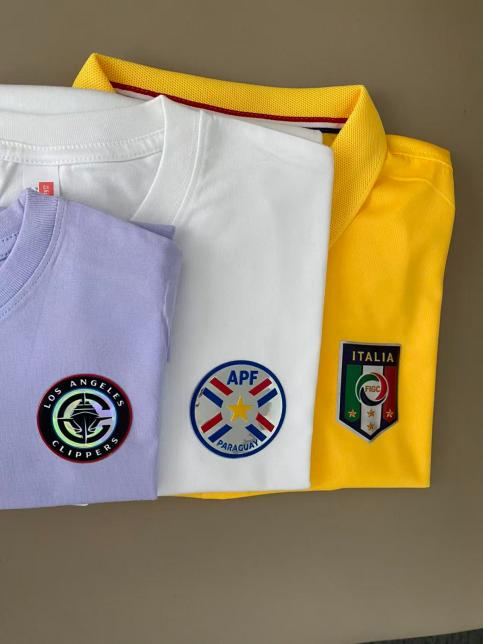
TPU DTF film is widely used to create raised logos, decorative patterns, lettering, and personalized designs on garments, bags, sportswear, and other textile products. However, when it comes to waterproof fabrics, the transfer process requires special attention.
Unlike ordinary fabrics, waterproof textiles usually have a functional waterproof coating on their surface. This coating changes the way heat-transfer adhesives interact with the material.
When regular TPU adhesive film is applied directly to certain waterproof fabrics, two common problems may occur:
Poor adhesion: The adhesive may not bond properly to the waterproof surface, causing the design to peel off or fail to transfer securely.
Coating damage: Excessive heat or an unsuitable adhesive may affect the waterproof coating, potentially reducing its original performance.
The solution is not simply to increase the temperature or pressing time. Instead, choosing an adhesive specifically designed for waterproof fabrics can help achieve reliable bonding while protecting the fabric’s functional coating.
1. Why Does Waterproof Fabric Require a Special Adhesive?
Waterproof fabrics are commonly used in outdoor jackets, raincoats, sportswear, backpacks, tents, and other functional textile products.
Depending on the fabric construction, the surface may contain a PU, TPU, or other waterproof coating. These coatings are designed to prevent water penetration, but they can also make it difficult for conventional heat-transfer adhesives to establish a strong bond.
Regular TPU adhesive films are generally suitable for many common textile materials, such as cotton, polyester, and cotton-polyester blends. However, they may not be compatible with every waterproof coating.
There are two key factors to consider:
(1) Adhesion compatibility
The adhesive must be compatible with the surface of the waterproof fabric. If the adhesive cannot properly interact with the coating, the transfer may not achieve sufficient bonding strength.
(2) Heat compatibility
Waterproof coatings can be sensitive to processing conditions. Applying unsuitable heat or pressure may cause surface changes or damage to the coating.
Therefore, waterproof fabrics should be treated as a special application rather than using the same adhesive solution for every textile.
2. Our Solutions for TPU DTF Transfers on Waterproof Fabrics
At Saillage, we provide two solutions for customers who want to apply TPU DTF designs to waterproof fabrics.
Solution 1: TPU Film with a Specialized Waterproof-Fabric Adhesive
We can manufacture TPU film with a specialized adhesive designed for waterproof-coated fabrics.
This solution integrates the suitable adhesive into the TPU film, making it convenient for customers who regularly produce transfers for waterproof garments and functional textiles.
Key advantages:
● Designed for bonding with compatible waterproof-coated fabrics.
● Helps improve adhesion compared with using an unsuitable conventional adhesive.
● Helps reduce the risk of damaging the waterproof coating when used under validated transfer conditions.
● Provides a more convenient, integrated solution for regular production.
This option is particularly suitable for manufacturers who frequently process waterproof jackets, outdoor clothing, rainwear, and other coated textile products.
Solution 2: A Separate Adhesive Film for Waterproof Fabrics
For customers who already use our standard TPU DTF film, we can also provide a separate adhesive film specifically designed for waterproof fabrics.
This option offers greater flexibility without requiring you to change your existing TPU printing process.
How does it work?
The process is straightforward:
(1) Print your design on regular TPU DTF film using your existing printing process.
(2) Cut the separate waterproof-fabric adhesive film according to the shape of your printed design.
(3) Position the adhesive film underneath the regular TPU transfer, between the TPU transfer and the fabric.
(4) Place the complete transfer onto the waterproof fabric.
(5) Apply heat and pressure according to the recommended processing conditions.
(6) Allow the transfer to cool or peel it according to the film’s specified instructions.
The additional adhesive film acts as a bonding layer between the TPU design and the waterproof fabric.
It helps the transfer bond to the coated textile without relying directly on conventional TPU adhesive. Under suitable processing conditions, this solution is designed to protect the waterproof coating while providing a secure transfer.
Why choose this option?
● No need to change your existing TPU DTF printing equipment.
● Suitable for customers who only occasionally process waterproof fabrics.
● The adhesive film can be cut according to the printed design.
● One additional material can make your standard TPU transfer process suitable for selected waterproof-fabric applications.
3. Standard Fabrics vs. Waterproof Fabrics: Which Adhesive Should You Choose?
Not every textile requires a specialized adhesive. The right choice depends on the fabric surface and its coating.
|
Fabric type |
Recommended adhesive |
| Cotton | Regular TPU adhesive |
| Polyester | Regular TPU adhesive, subject to testing |
| Cotton-polyester blends | Regular TPU adhesive, subject to testing |
| Ordinary textile fabrics | Regular TPU adhesive |
| PU-coated waterproof fabric | Specialized waterproof-fabric adhesive |
| TPU-coated waterproof fabric | Specialized waterproof-fabric adhesive |
| Other coated functional fabrics | Test compatibility before production |
For most conventional textile applications, regular TPU adhesive film is a practical choice.
For waterproof fabrics with functional surface coatings, we recommend using TPU film with a specialized waterproof-fabric adhesive or adding a separate waterproof-fabric adhesive film.
Important: Waterproof fabrics can vary significantly in coating composition, thickness, and surface treatment. Always conduct a transfer test on the actual fabric before mass production. Transfer temperature, pressure, and pressing time should be adjusted according to the fabric and adhesive specifications.
4. Can TPU Transfers on Waterproof Fabrics Be Washed?
Yes. Our waterproof-fabric adhesive solutions are designed for textile applications that require washing.
However, wash performance depends on several factors:
● The type and condition of the waterproof coating.
● Compatibility between the adhesive and the fabric.
● Transfer temperature, pressure, and pressing time.
● The TPU film, ink, and adhesive combination.
● Washing temperature, detergent, and washing method.
For this reason, we recommend testing the complete transfer on the customer’s actual fabric and carrying out wash tests before starting mass production.
A successful transfer should maintain good bonding after washing without causing unacceptable damage to the fabric’s waterproof coating.
5. How to Choose the Right TPU Adhesive Solution
Choosing the correct adhesive can make a significant difference in transfer quality, production efficiency, and finished-product durability.
Here is a simple guide:
●If you mainly print on ordinary fabrics: Choose regular TPU DTF film.
●If you frequently print on waterproof fabrics: Consider TPU film manufactured with a specialized waterproof-fabric adhesive.
●If you occasionally print on waterproof fabrics: Use regular TPU DTF film together with our separate waterproof-fabric adhesive film.
At Saillage, we can provide both integrated TPU film solutions and separate adhesive films to help customers handle different textile applications.
Before recommending a solution, we suggest confirming the fabric type, coating material, transfer area, and required washing performance. This helps us identify a suitable adhesive and processing method.
Conclusion
Applying TPU DTF transfers to waterproof fabrics requires more than choosing the right printed film. The adhesive layer is equally important.
Regular TPU adhesive works well for many conventional textile materials, but certain waterproof-coated fabrics require a specialized bonding solution. Using an unsuitable adhesive may result in poor adhesion or damage to the functional coating.
Saillage offers two options: TPU film with a specialized waterproof-fabric adhesive, and a separate adhesive film that can be cut to match the printed design and placed underneath a regular TPU transfer.
With the right adhesive combination and properly tested transfer conditions, you can expand your TPU DTF applications from ordinary garments to waterproof jackets, outdoor clothing, bags, and other functional textiles.
Looking for a TPU DTF solution for waterproof fabrics? Contact Saillage and tell us about your fabric, coating type, and application. We can help you select a suitable adhesive solution and arrange samples for testing.
Post time: Nov-20-2026